



By Sean Dilweg, Former Wisconsin Insurance Commissioner
The use of generative artificial intelligence by expert witnesses has moved from theoretical discussion to courtroom reality.
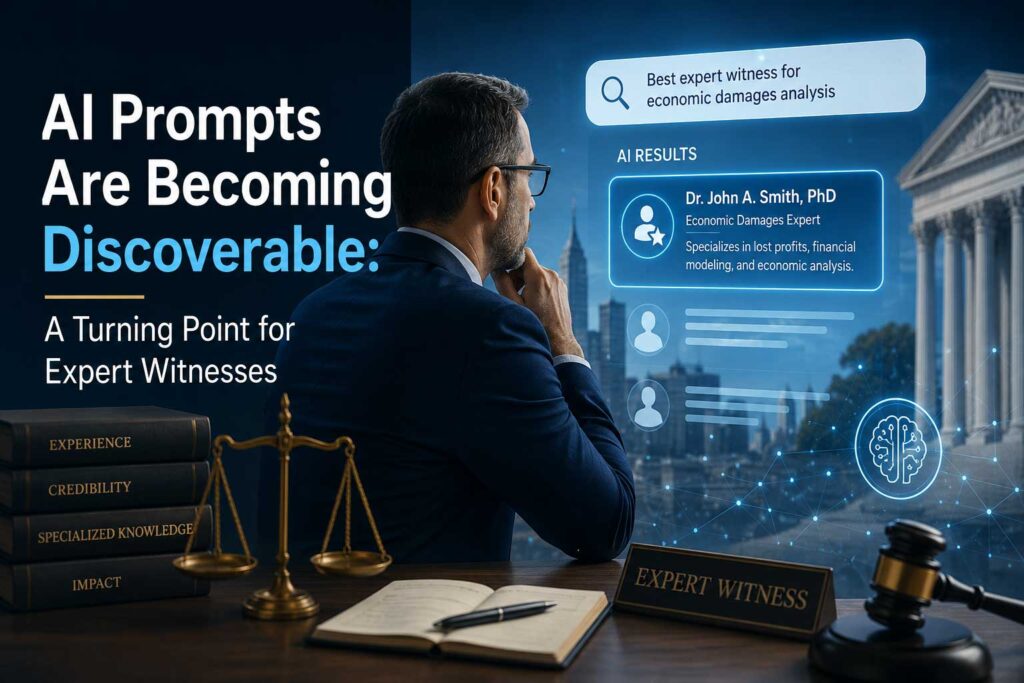
In a recent federal court ruling, Conservation Law Foundation, Inc. v. Shell Oil Company, a magistrate judge ordered the production of the generative AI prompts used by an expert witness in preparing her report. While the decision has been stayed pending review, it represents what appears to be the first federal ruling treating AI prompts as discoverable components of an expert’s methodology rather than protected research materials.
Whether the district court ultimately affirms or overturns the decision, the message to experts is unmistakable: if artificial intelligence contributes to the development of an expert opinion, courts may increasingly view that process as subject to scrutiny.
As someone who has served as both a regulator and an expert witness, I believe the decision highlights an important principle that extends well beyond AI itself. Courts have always examined methodology. The introduction of AI simply changes the tools—not the obligation to demonstrate that opinions are reliable, transparent, and independently derived.
For decades, experts have relied on research assistants, databases, electronic document searches, statistical software, and increasingly sophisticated analytical tools. None of those technologies relieved the expert of the responsibility to exercise independent judgment. Generative AI should be viewed no differently.
The difficult question is where to draw the line.
If an AI system is used merely to organize or identify potentially relevant documents from millions of pages of discovery, should every prompt become discoverable? Or should discovery focus only on the facts and data considered in forming the expert’s opinions? Existing rules were written long before large language models entered the litigation process, and they provide limited guidance on how courts should distinguish between preliminary research and substantive methodology.
That distinction matters.
Prompt engineering is often iterative. An expert may ask dozens—or hundreds—of questions before identifying relevant information. Many prompts are exploratory, discarded, or refined along the way. Requiring wholesale production of every interaction risks creating discovery disputes over materials that may have had little or no influence on the final opinions. Worse, it may encourage litigation over process instead of substance.
At the same time, complete opacity is equally problematic.
If AI materially influences an expert’s analysis—by selecting evidence, summarizing technical materials, generating chronologies, or suggesting conclusions—opposing counsel should have an opportunity to understand how those results were produced. Transparency remains essential to the adversarial process, particularly when courts are evaluating reliability under Daubert.
The emerging challenge is therefore not whether AI should be disclosed, but what level of disclosure is appropriate.
The legal profession has already navigated similar transitions. Electronic discovery required courts to develop new rules governing metadata, search protocols, and preservation obligations. Statistical models required experts to disclose assumptions and validation techniques. AI will require comparable standards that balance legitimate discovery against unnecessary intrusion into preliminary research.
Until appellate courts provide clearer guidance, experts and attorneys should assume that AI-assisted workflows may become discoverable.
That means establishing internal protocols before an engagement begins. Experts should understand what AI tools they may use, how prompts are documented, and whether interactions are retained by the platform. Engagement letters should address AI use explicitly. Counsel should consider negotiating discovery agreements that define the scope of AI-related materials before disputes arise rather than after reports are exchanged.
Perhaps most importantly, experts should remember that AI is an assistant—not an author.
The value of expert testimony has never rested on the ability to locate documents more quickly. It rests on decades of professional judgment, experience, and the ability to explain complex issues in a reliable and objective manner. AI can improve efficiency, but it cannot substitute for independent analysis or professional responsibility.
The Connecticut decision may ultimately be reversed, narrowed, or affirmed. Regardless of its fate, it signals the beginning of a broader conversation about how courts will evaluate AI-assisted expertise. As artificial intelligence becomes a routine part of litigation, transparency and accountability will become as important as technological capability.
The law has entered the AI era. The challenge now is ensuring that innovation strengthens, rather than undermines, confidence in expert testimony
Related Posts

Private Credit Just Became a Receivership Issue
The promise of life insurance is simple: protection when it matters most. Policyholders pay premiums…
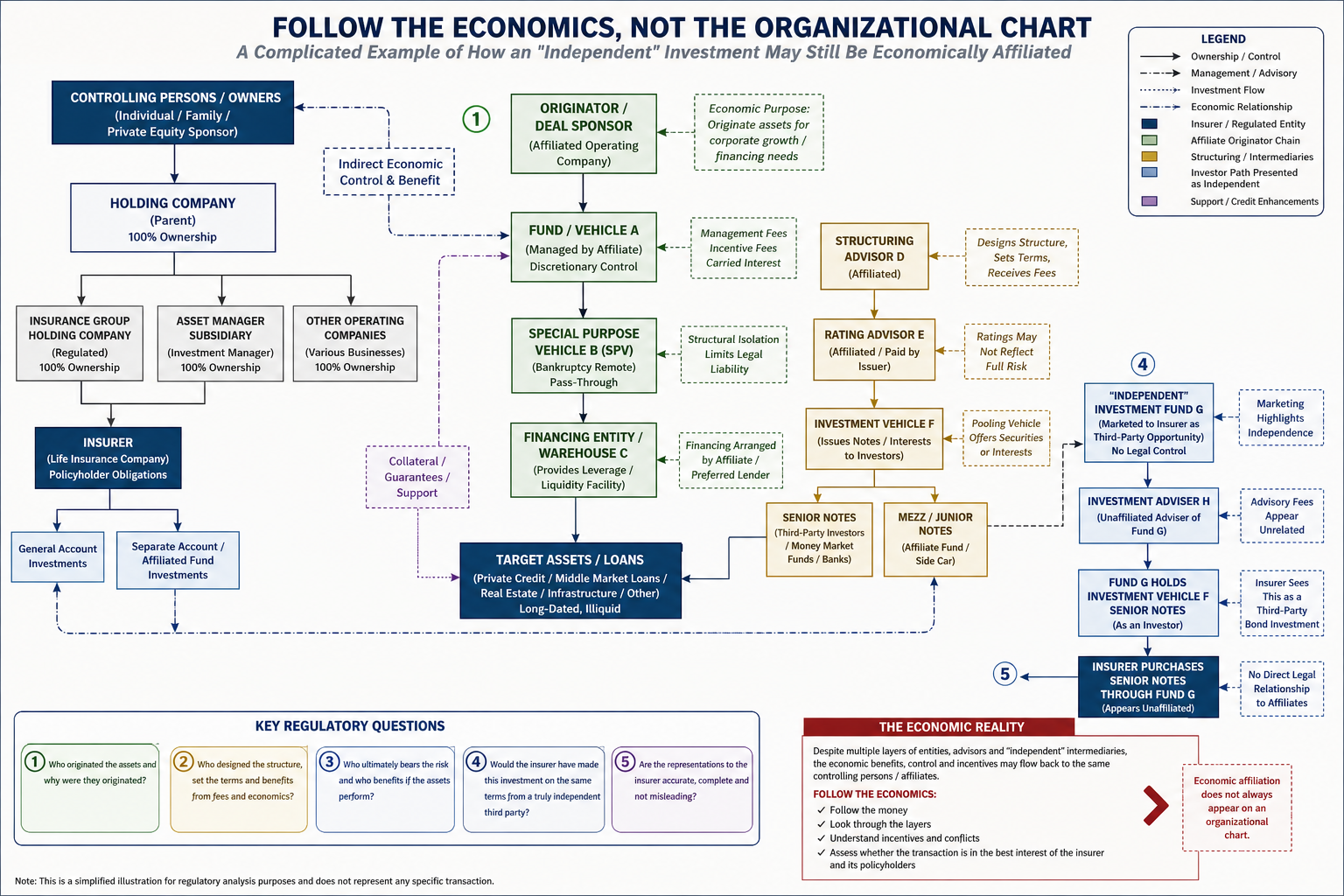
When Is an Insurance Investment Really an Affiliate Transaction?
The TWG–Delaware Life controversy exposes a regulatory problem that goes far beyond one insurer: legal…

Is the AI Boom Migrating Onto Life Insurers’ Balance Sheets?
The promise of life insurance is simple: protection when it matters most. Policyholders pay premiums…

The Insurance Industry’s Real Wildfire Problem Isn’t the Fire
The promise of life insurance is simple: protection when it matters most. Policyholders pay premiums…